


Bourbon vs. Whiskey: Do You Know the Difference?

Let’s talk about flavor. Are you looking for something smooth and sweet, with notes of vanilla and caramel? Or do you prefer a spirit with a spicier, peppery kick? Your answer to that question is at the heart of the bourbon vs whiskey conversation. The name on the bottle is your first clue to the taste inside. Bourbon, with its corn-based recipe and specific aging process in new, charred oak barrels, delivers a characteristically rich and sweet profile. Knowing this helps you move beyond brand names and start choosing spirits based on the fundamental flavors you love. This isn't about memorizing trivia; it's about learning the language of whiskey so you can find your perfect match.
Key Takeaways
- All Bourbon Is Whiskey, But It Must Follow Strict Rules: Remember that bourbon is a specific type of American whiskey. To earn its name, it must be made in the U.S. from at least 51% corn and aged in new, charred oak barrels, which sets it apart from other world whiskeys.
- Its Sweet Flavor Comes from Corn and New Oak: Bourbon's signature notes of vanilla, caramel, and toffee aren't accidental. The high corn content provides a sweet base, while aging in a fresh, charred oak barrel is responsible for its rich, warm character and deep amber color.
- Let Your Palate Guide Your Choice: If you enjoy sweeter flavors, bourbon is a fantastic place to start. For a peppery kick, try a rye whiskey, and for smoky, earthy notes, explore Scotch. Matching these basic profiles to your own taste is the simplest way to find a bottle you'll love.
Bourbon vs. Whiskey: What's the Real Difference?
Walk down any liquor aisle, and you’ll see the words “whiskey” and “bourbon” used frequently, sometimes even on the same bottle. It’s a common point of confusion, and you’ve probably wondered what separates one from the other. Is it the location? The taste? The spelling? The short answer is that the difference comes down to a strict set of legal requirements that govern how bourbon is made. Think of it like the rule that true Champagne can only come from the Champagne region of France—bourbon has its own non-negotiable, government-enforced rulebook.
Understanding these distinctions isn’t just for trivia night; it helps you know what to expect from the spirit in your glass. When you know the rules a distiller has to follow, you get a better sense of the base flavors and quality you're paying for. Whether you’re just starting to explore the world of aged spirits or you’re a seasoned enthusiast looking to refine your palate, knowing the fundamentals is key. Once you grasp what makes a bourbon a bourbon, you’ll have a much easier time finding the exact flavor profiles you enjoy. It’s the first step to confidently selecting your next favorite bottle from the vast and wonderful world of whiskey.
What Makes a Whiskey a Bourbon?
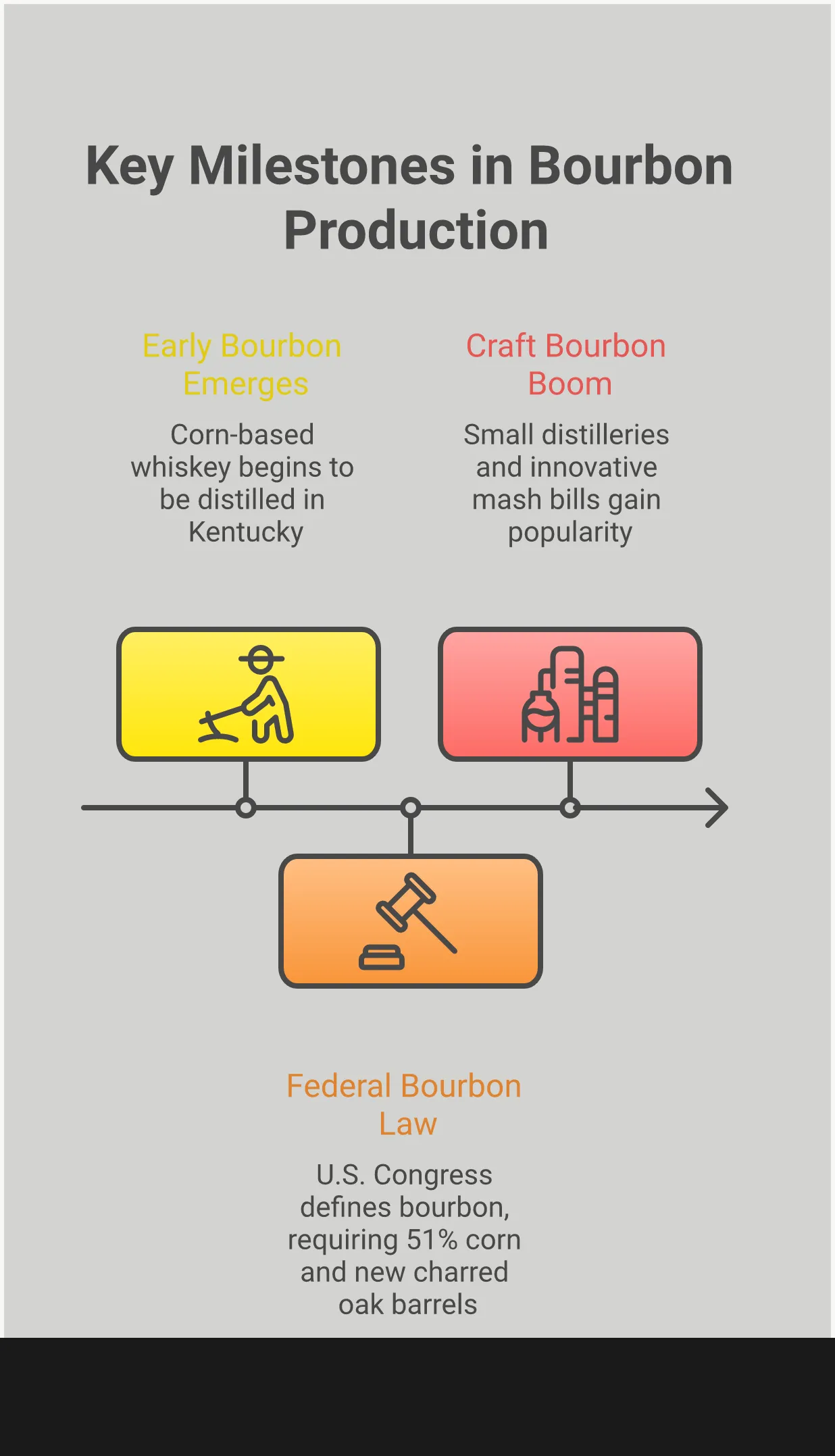
For a spirit to legally be called bourbon, it has to follow a very specific recipe and process, often called the "rules of bourbon." First, it must be made in the United States. While many people associate it with Kentucky, it can be produced anywhere in the U.S. The grain mixture, or mash bill, must contain at least 51% corn, which is what gives bourbon its characteristic sweetness. It must also be aged in brand-new, charred oak barrels, and it cannot contain any added flavors or colors. The only thing that can be added is water to adjust the proof. These strict standards ensure every bottle of bourbon delivers a consistent character.
The Golden Rule: All Bourbon is Whiskey, But Not All Whiskey is Bourbon
Here’s the easiest way to remember the difference: All bourbon is a type of whiskey, but not all whiskey is bourbon. It’s like the old saying that all squares are rectangles, but not all rectangles are squares. "Whiskey" is the broad, overarching category for a spirit distilled from fermented grain mash and aged in wooden barrels. This global family of spirits includes many famous styles, like Scotch, Irish whiskey, Canadian whisky, and Rye. Bourbon is simply America’s specific, legally defined contribution to the whiskey family, with its own unique heritage and flavor profile rooted in corn and new, charred oak.
The Official Rules of Bourbon
So, what exactly gives bourbon its name and distinct character? It’s not just a matter of opinion—bourbon is a legally protected spirit with a strict set of rules. Think of it like Champagne, which can only come from a specific region in France. For a spirit to be called bourbon, it has to follow five key regulations that define it as America’s native spirit. These rules cover everything from where it’s made to what it’s aged in, ensuring every bottle delivers the quality and flavor profile you expect. Let’s walk through exactly what makes a whiskey a true bourbon.
It Must Be Made in the USA
First and foremost, bourbon is a distinctly American product. While you can find fantastic whiskeys from Scotland, Ireland, Japan, and all over the world, a spirit can only be legally labeled as bourbon if it is produced in the United States. This is a non-negotiable federal standard. While many people associate bourbon exclusively with Kentucky, and the state does produce the vast majority of it, bourbon can technically be made in any state. As long as it follows all the other rules, it’s a true taste of American craftsmanship.
The Mash Bill Must Be at Least 51% Corn
The recipe, or "mash bill," is the heart of any whiskey, and for bourbon, corn is the star. To qualify as bourbon, the grain mixture must contain at least 51% corn. This high corn content is what gives bourbon its characteristic sweetness and full-bodied flavor, setting it apart from other whiskeys like rye or scotch, which use different primary grains. The remaining 49% of the mash bill can be a mix of other grains like rye, wheat, or malted barley, which distillers use to create their unique flavor profiles, from spicy to smooth.
Strict Proofing and Aging Requirements
There are also strict rules about alcohol content during production. Bourbon must be distilled to no more than 160 proof (80% ABV) and enter the barrel for aging at no more than 125 proof (62.5% ABV). When it’s finally ready, it must be bottled at a minimum of 80 proof (40% ABV). While there’s no minimum aging period required, any bourbon labeled as "straight bourbon" must be aged for at least two years. These specific proofing and aging requirements ensure consistency and quality across all brands.
It Must Age in New, Charred Oak Barrels
This rule is one of the most important for developing bourbon’s signature flavor and deep amber color. Every drop of bourbon must be aged in a brand-new, charred oak container. The spirit can’t be aged in used barrels, which is a key difference from other spirits like Scotch or tequila. The charring process caramelizes the sugars in the wood, which then impart classic notes of vanilla, caramel, and toffee into the aging whiskey. This interaction between the spirit and the new, charred oak barrels is where the magic truly happens.
No Additives Allowed
Authenticity is key. True bourbon cannot contain any added flavors, colors, or other additives. The only thing that can be added after distillation and aging is water, which is used to bring the spirit down to its bottling proof. This means the rich color and complex flavors you find in a bottle of bourbon come purely from the grains, the fermentation process, and its time spent in the barrel. This commitment to purity ensures that the final product is a genuine expression of its ingredients and the distiller’s craft.
How Does Bourbon Compare to Other Whiskeys?
While bourbon shares its "whiskey" title with spirits from around the globe, its unique rules give it a distinct personality. Think of the whiskey world as a big, extended family—bourbon is the sweet, charismatic American cousin. Understanding how it differs from its relatives in Scotland, Ireland, and beyond is the key to finding the bottle that’s perfect for you. Each type of whiskey tells a story about its homeland through its ingredients and production methods, resulting in a world of different flavors to explore.
Scotch: Smoky and Peaty
When you think of Scotch, you might picture rolling green hills and a curl of smoke. That’s a pretty accurate starting point. Made in Scotland primarily from malted barley, Scotch whisky is famous for its smoky and earthy notes. This distinct flavor often comes from peat, a type of fuel used to dry the barley, which infuses the grain with a smoky character. It must be aged in oak barrels for at least three years, and its flavor profile is a world away from bourbon’s corn-driven sweetness. Where bourbon is often characterized by caramel and vanilla, Scotch leans into smoke, brine, and malt, offering a complex and savory experience that can transport you straight to the Scottish coast.
Irish Whiskey: Smooth and Triple-Distilled
Irish whiskey is known for its exceptionally smooth and approachable character. A key reason for this is the common practice of triple distillation, a process that creates a lighter, cleaner spirit compared to the double distillation typical for bourbon and Scotch. Made from a mix of malted and unmalted barley, Irish whiskey is aged for a minimum of three years, resulting in a gentle flavor profile with notes of fresh fruit, vanilla, and a touch of honey. If you find bourbon’s oaky richness a bit intense, the mellow, easy-drinking nature of Irish whiskey might be exactly what you’re looking for. It’s wonderfully versatile, perfect for sipping neat or mixing into a simple cocktail.
Rye Whiskey: The Spicy Cousin
If bourbon is sweet and friendly, rye whiskey is its spicier, edgier relative. The primary difference lies in the mash bill: to be called a rye whiskey in the U.S., the grain mixture must contain at least 51% rye. This grain imparts a peppery, spicy flavor that stands in bold contrast to bourbon’s sweetness from corn. You’ll often find notes of black pepper, dill, and baking spices. This assertive character makes rye a fantastic base for classic cocktails like the Manhattan or Old Fashioned, as its spice can cut through mixers and create a more complex drink. It’s a great next step for bourbon drinkers looking to try something with a bit more bite.
Canadian & Japanese Whisky: A Quick Look
The world of whisky is vast, with many other styles to discover. Canadian whisky is often called "rye," though it may not contain much rye grain at all. It’s typically known for being incredibly smooth, light, and versatile, making it a popular choice for mixing. On the other side of the world, Japanese whisky has gained massive acclaim for its incredible precision and balance. Inspired by Scotch-making traditions, Japanese distillers focus on meticulous craftsmanship, often creating delicate, nuanced, and beautifully complex spirits that are a true art form. Both styles offer a different perspective on what whisky can be, showcasing smoothness and elegance.
Tasting the Difference: Key Flavor Profiles
While the rules of production set the stage, the real story of any spirit is told through its flavor. The specific ingredients and aging processes give each type of whiskey a distinct personality. Understanding these key flavor profiles is the best way to figure out what you might enjoy, whether you’re sipping it neat, on the rocks, or in a classic cocktail. Let’s explore what makes bourbon taste like bourbon and how it stands apart from its global cousins.
Bourbon's Signature Sweetness: Vanilla, Caramel, and Oak
If you’ve ever heard someone describe a bourbon as smooth and sweet, they’re picking up on its signature flavor profile. Thanks to its corn-heavy mash bill, bourbon has a foundational sweetness that sets it apart. During the aging process in new, charred oak barrels, this spirit develops rich, inviting notes of vanilla, caramel, and toffee. You’ll also often find a pleasant warmth from hints of baking spices like cinnamon and nutmeg, all rounded out by a distinct, toasty oak finish. This combination makes bourbon an incredibly approachable and versatile member of the whisk(e)y family.
Why New, Charred Oak Barrels Are So Important
The requirement to use new, charred oak barrels is not just a technicality; it's the secret to bourbon's soul. When a new barrel is toasted and charred, the heat caramelizes the natural sugars within the wood. As the bourbon ages, it expands and contracts with temperature changes, seeping in and out of the wood’s pores. This interaction pulls those caramelized sugars and compounds like vanillin directly into the spirit. This process is responsible for bourbon's deep amber color and the majority of its vanilla and caramel flavors. Unlike other spirits that might use barrels multiple times, bourbon always gets a fresh start, ensuring a consistently bold and oak-forward character.
A Side-by-Side Flavor Comparison
When you taste bourbon next to other world whiskeys, the differences become clear. Bourbon’s profile is typically sweeter and richer, leaning on those caramel and vanilla notes. In contrast, Scotch can be wildly different depending on the region, but many are known for a smoky, earthy flavor that comes from drying malted barley over a peat fire. Irish whiskey is generally lighter and smoother, often with fruity and floral notes, a result of being triple-distilled. And if you’re looking for a spicier kick, American Rye whiskey delivers peppery and bold flavors that stand up beautifully in cocktails.
Debunking Common Bourbon & Whiskey Myths
The world of whiskey is full of stories and traditions, but it's also packed with a few persistent myths. Let's clear up some of the most common misconceptions so you can feel more confident when you're choosing your next bottle. Getting these facts straight can help you discover new favorites you might have otherwise overlooked.
Myth: It Has to Be Made in Kentucky
This is probably the most famous myth of all. While Kentucky is the historic heartland of bourbon, the spirit can legally be produced anywhere in the United States. From Texas to New York, craft distilleries are creating exceptional bourbons that honor tradition while adding their own local character. The reason Kentucky gets all the credit is due to its long history and ideal conditions, like its limestone-filtered water. But don't let geography limit your exploration. There's a whole country of incredible whiskey waiting to be discovered, and you might find your new go-to bottle comes from a place you'd least expect.
Myth: All Whiskey Tastes the Same
Saying all whiskey tastes the same is like saying all wine or beer tastes the same. It simply isn't true. The incredible diversity in flavor comes from the unique combination of ingredients and production methods. The type of grain used—whether it's corn, rye, barley, or wheat—lays the foundation for the spirit's profile. From there, the type of barrel it's aged in, the length of aging, and even the climate all play a huge role in shaping the final taste. Each bottle tells a different story, which is why exploring the world of spirits is such a rewarding experience for your palate.
Myth: Older Is Always Better
We often see a high age statement on a bottle and assume it must be superior, but that's not always the case. While aging can add wonderful layers of complexity and mellow out harsh notes, it's just one piece of the puzzle. A master distiller's skill in balancing flavors is far more important. Sometimes, a whiskey left in the barrel for too long can become overly woody and bitter, losing the delicate character of the grain. Instead of focusing only on age, look for spirits that are celebrated for their balance and craftsmanship. Many rare finds are prized for their unique character, not just the number on the label.
Myth: Bourbon Is Too Strong for Beginners
Many people are hesitant to try bourbon, thinking it will be too harsh or overpowering. While some high-proof bourbons certainly pack a punch, there are plenty of smooth, approachable options perfect for newcomers. Bourbons with a higher wheat content in their mash bill, known as "wheaters," are often softer and sweeter. You can also look for bottles with a lower proof. A great way to ease into the spirit is by trying it in a classic cocktail, like a Whiskey Sour or a simple Bourbon and Ginger. Exploring different bourbons will show you just how versatile and welcoming this spirit can be.
How Production Methods Create Unique Flavors
The distinct character of any whiskey isn't an accident—it's the direct result of a careful, regulated process. From the specific grains chosen for the mash to the type of barrel used for aging, every step is a decision that shapes the final flavor in your glass. Think of it like a recipe: change one ingredient or one step in the instructions, and you end up with something entirely different. This is why a sweet, corn-forward bourbon tastes so different from a spicy rye or a smoky Scotch.
The rules governing bourbon production are particularly strict, ensuring a consistent and high-quality spirit. These regulations cover everything from where it's made to how it's aged and bottled. Understanding these production methods is the key to appreciating what makes each type of whiskey unique. It helps you identify the notes you enjoy most and gives you the confidence to explore new bottles, knowing a little more about what to expect when you take that first sip.
The Grains: Corn vs. Barley vs. Rye
Every whiskey begins with a mash bill, which is simply the mix of grains used to create it. The type of grain and its percentage in the recipe are fundamental to the spirit's flavor profile. For a whiskey to be called bourbon, its mash bill must contain at least 51% corn. This high corn content is what gives bourbon its signature sweetness and full-bodied character. In contrast, rye whiskey must use at least 51% rye, which imparts a distinct peppery spice and a drier finish. Meanwhile, malt whiskey, like Scotch, relies on at least 51% malted barley for its rich, biscuity notes.
The Barrels: New Oak vs. Used Casks
After distillation, the aging process is where a huge amount of flavor development happens. Bourbon has a strict requirement: it must be aged in new, charred oak barrels. This is a crucial rule. The fresh, charred wood imparts deep, rich flavors of vanilla, caramel, and toasted oak that are essential to bourbon's identity. Other whiskeys, like Scotch or Irish whiskey, often use previously-used barrels. A Scotch might age in a cask that once held sherry, port, or even American bourbon, allowing the spirit to pick up subtle, complex notes from whatever the barrel contained before. This is why you'll find such a wide spectrum of flavors across different spirits.
The Process: Distillation and Bottling Standards
Beyond grains and barrels, bourbon production follows strict proofing regulations to protect the spirit's integrity. The raw spirit can't be distilled to more than 160 proof (80% alcohol by volume), which ensures that the flavors from the grain aren't stripped away. Then, it must enter the new, charred oak barrel for aging at no more than 125 proof (62.5% ABV). Finally, it has to be bottled at a minimum of 80 proof (40% ABV). These standards guarantee that the final product isn't overly diluted and that the character developed during distillation and aging makes it into your glass.
How to Choose the Right Whiskey for You
Finding your perfect whiskey is a personal journey, and the best way to start is by listening to your own palate. With so many options, from sweet and smooth to smoky and complex, there’s a bottle out there that’s just right for you. Let’s walk through how to find it, whether you’re stocking your home bar for the first time or looking for a new favorite.
Identify Your Flavor Preferences
Think about the flavors you already love. Do you have a sweet tooth and enjoy desserts with vanilla and caramel? Or do you prefer savory, smoky flavors like those from a summer barbecue? Your existing preferences are a great clue. If you lean toward sweeter things, you’ll likely enjoy bourbon. Bourbon usually tastes bold, rich, and a little sweet, with notes of vanilla, oak, and spice. This comes from its corn base and aging process in new, charred oak barrels. If you’re drawn to more intense, earthy flavors, a peaty Scotch might be more your style. For those who like a bit of a spicy kick, a bottle of rye whiskey is an excellent choice.
Great Starting Points for Newcomers
If you’re just beginning to explore the world of whiskey, it’s smart to start with something approachable. Bourbon is often a fantastic entry point because its inherent sweetness makes it smooth and easy to drink, both on its own and in simple cocktails. Its friendly flavor profile is less of an acquired taste than some of the more intensely smoky or spicy whiskeys out there. An Irish whiskey is another wonderful option, known for its exceptionally smooth and often fruity character. You don’t need to start with the most expensive or oldest bottle on the shelf; instead, look for a classic, well-regarded brand to get a feel for the fundamental flavors of a style.
Simple Pairing Ideas for Food and Occasions
Whiskey is a fantastic companion for food, and the right pairing can make both the spirit and the meal shine. For a classic bourbon, think of rich, savory, and sweet foods. Try sipping it alongside BBQ ribs, a juicy grilled steak, or even a decadent dessert like dark chocolate or pecan pie. The bourbon’s caramel and vanilla notes beautifully complement these robust flavors. A spicy rye whiskey is perfect for cutting through rich cheeses and cured meats, making it a great addition to a charcuterie board. And if you’re enjoying a smoky Scotch, try it with smoked salmon or oysters to match its coastal, briny character.
Frequently Asked Questions
So, what's the simplest way to remember the difference? The easiest way to think about it is that "whiskey" is the large family category, and bourbon is a specific member of that family with a strict set of rules. Just like how Scotch and Irish whiskey are also part of the whiskey family, bourbon is America's legally defined style. So, every bottle of bourbon is a whiskey, but most whiskeys you see on the shelf are not bourbons.
I thought bourbon had to be made in Kentucky. Is that not true? This is a classic myth! While it's true that the vast majority of the world's bourbon comes from Kentucky, it can legally be made anywhere in the United States. As long as a distiller follows all the official rules—like using at least 51% corn and aging in new, charred oak barrels—they can label their spirit as bourbon, no matter which state they're in.
Why is the 'new, charred oak barrel' rule such a big deal for bourbon? This rule is the secret to bourbon's signature flavor profile. Using a brand-new barrel for every batch means the spirit gets the maximum flavor from the wood. The charring process caramelizes the wood's natural sugars, which then infuse the bourbon with its classic notes of vanilla, caramel, and toffee. Other whiskeys often use barrels that have held other spirits before, which gives them a different, more subtle character.
I'm new to whiskey. Is bourbon a good place to start? Absolutely. Bourbon is often a great starting point because its corn base gives it a natural sweetness that makes it very approachable. Its flavors of caramel and vanilla are familiar and inviting. I'd suggest looking for a "wheated" bourbon, which uses wheat as the secondary grain for an even softer and smoother profile. It's a wonderful way to get comfortable with the spirit before exploring spicier or smokier options.
How is rye whiskey different from bourbon? Think of them as two sides of the American whiskey coin. The main difference is the primary grain. Bourbon must be made with at least 51% corn, which makes it sweeter and more full-bodied. Rye whiskey, on the other hand, must be made with at least 51% rye, which gives it a distinct peppery spice and a drier character. If you enjoy the rich sweetness of bourbon, trying a rye is a great way to experience a bolder, spicier profile.