


What Is Mezcal? The Smoky Spirit Explained

Let’s talk about smoke. It’s the first thing most people mention when describing mezcal, but focusing only on that one note is like listening to a single instrument in a full orchestra. A truly great mezcal is a symphony of flavors—earthy, fruity, floral, and savory—all balanced against that beautiful, rustic smokiness. Understanding what is mezcal is about appreciating this complexity. It’s a spirit that tastes of the very land it comes from, reflecting the specific type of agave, the wild yeasts in the air, and the hands of the mezcalero who made it. This guide will help you taste beyond the smoke and discover the rich world of mezcal and agave spirits.
Key Takeaways
- The Smoky Flavor Comes from Tradition, Not an Additive: Mezcal gets its signature taste from roasting agave hearts in underground earthen pits before distillation. This traditional cooking method is the key difference from tequila, which typically steams its agave.
- Agave Variety is Your Guide to Flavor: While smoke is a common note, the type of agave used is the biggest influence on a mezcal's final taste. From the balanced Espadín to wild varieties, each plant offers a unique profile of fruity, floral, or earthy notes.
- Start by Sipping an Espadín Mezcal Neat: To truly appreciate the spirit, sip it slowly at room temperature. For your first bottle, choose one made from 100% Espadín agave—it’s the most common variety and offers a balanced introduction to mezcal's complex world.
So, What Exactly Is Mezcal?
If you've ever wondered about tequila's smoky cousin, you've come to the right place. At its core, mezcal is a distilled spirit made from the agave plant. The name itself comes from the Nahuatl word mexcalli, which translates to "cooked agave"—a perfect preview of its rustic production process. While all tequila is technically a type of mezcal, the reverse isn't true. Think of it like squares and rectangles: all squares are rectangles, but not all rectangles are squares. Tequila is the well-known square, made under very specific rules from only blue agave, while mezcal is the broader rectangle category.
This category encompasses a huge variety of styles, flavors, and traditions from across Mexico. This diversity is what makes exploring the world of mezcal so exciting. It’s a spirit deeply tied to Mexican culture and history, with production methods that have been passed down for centuries. From the specific type of agave used to the unique terroir of the village where it's made, every bottle tells a story of place and tradition. It's less of a single product and more of a cultural expression captured in a bottle, offering a direct taste of the land and the hands that crafted it. Unlike more industrialized spirits, many mezcals are still made in small batches by families who have been perfecting their craft for generations, making each sip a truly unique experience.
A Spirit with Deep Roots
Mezcal isn't a recent trend; its history stretches back centuries. Many producers, known as mezcaleros, still use traditional methods that have been around since the 1500s. This isn't just for show—it's fundamental to the spirit's character. The process often involves roasting the heart of the agave plant, called the piña, in earthen pits over hot rocks, which is where that signature smokiness comes from. After roasting, the piñas are crushed, often by a large stone wheel pulled by a horse or donkey. The agave plant itself has been a cornerstone of Mexican culture for thousands of years, providing not just spirits but also food, clothing, and medicine. This rich history is what you taste in every sip, as this guide to mezcal further explains.
The Official Rules of Mezcal
Just like Champagne can only come from Champagne, France, true mezcal has its own set of rules. To be officially labeled "mezcal," the spirit must be produced in one of ten designated states in Mexico. The state of Oaxaca is the heartland of mezcal production, responsible for about 80% of all the mezcal you'll find on the shelf. Another key rule is that all certified mezcal must be made from 100% agave sugars—no additives allowed. While tequila can only be made from blue agave, mezcaleros can use around 40 different types of agave. This incredible variety is why mezcal offers such a vast spectrum of flavors, from earthy and smoky to floral and fruity, as detailed in this Ultimate Mezcal 101 Guide.
How Is Mezcal Made?
The creation of mezcal is a beautiful, time-honored craft passed down through generations. While methods can vary between small producers (palenques), the core process follows three main stages: harvesting and cooking the agave, fermenting the mash, and distilling the spirit. It’s a labor-intensive process that connects the final product to the land and the people who make it. Understanding these steps is the key to appreciating what’s in your glass.
It All Starts with Agave
Everything begins with the agave plant. Mezcal is the original agave spirit, which means tequila is actually a specific type of mezcal. Producers harvest the heart of the mature agave, called the piña because it looks like a giant pineapple. These piñas can weigh over 100 pounds and take years, sometimes decades, to mature. The type of agave used has a huge impact on the final flavor, which is why the world of mezcal and agave spirits is so incredibly diverse and exciting to explore.
The Secret to the Smoke: Roasting in Earthen Pits
Here’s where mezcal gets its signature smoky character. Instead of steaming the agave hearts in ovens like tequila producers, mezcaleros roast their piñas in deep, cone-shaped earthen pits. These pits are lined with volcanic rocks heated by a wood fire. The piñas are piled on top, covered with fibrous mats and earth, and left to slowly roast for several days. This underground cooking process caramelizes the agave’s natural sugars and infuses the piñas with that unmistakable smoky, earthy flavor that mezcal is famous for.
From Agave to Spirit: Fermentation and Distillation
Once the piñas are perfectly roasted, they’re crushed to release their sugary juices, often with a large stone wheel called a tahona. The crushed agave fibers and juice are then moved into large wooden or stone vats with water. Fermentation kicks off naturally, thanks to wild yeasts in the air, and typically lasts for a few days to a week. Finally, this fermented liquid is distilled at least twice in small copper or clay pot stills to create the finished spirit. This final step concentrates the alcohol and refines the complex flavors developed during roasting and fermentation.
What Gives Mezcal Its Smoky Flavor?
If there’s one thing people know about mezcal, it’s that it’s smoky. That distinct, campfire-in-a-bottle aroma is what sets it apart and draws so many people in. But where does that flavor actually come from? It’s not an added ingredient or an accident; it’s a fundamental part of the spirit’s identity, born from centuries of tradition.
The smoky character is a direct result of how the agave is cooked before it’s distilled. Unlike tequila, where agave is typically steamed in industrial ovens, mezcal production uses a much more rustic, hands-on method. This ancient technique is what infuses the spirit with its signature flavor, but it also opens the door to a whole world of complexity that goes far beyond just smoke. Understanding this process is the key to truly appreciating what’s in your glass.
Unpacking That Signature Smoky Taste
The secret to mezcal’s smoky profile lies in a step that happens long before distillation: roasting the agave. After harvesting, the hearts of the agave plant, called piñas, are cooked in earthen pits dug into the ground. These pits are lined with volcanic rocks, which are heated by a wood fire for hours until they’re glowing hot. The piñas are then piled on top, covered with fibrous agave leaves, woven mats, and finally, a thick layer of earth. This creates a massive, underground oven where the agave slowly roasts for several days. This traditional roasting process is what imbues the agave with that rich, smoky flavor that carries all the way through to the final spirit.
Beyond the Smoke: Discovering Mezcal's Complexity
While smoke is the headliner, it’s certainly not the whole show. A quality mezcal is incredibly complex, with a spectrum of flavors that can include earthy, fruity, floral, and herbal notes. The type of agave used, the wild yeasts in the air during fermentation, and even the minerals in the soil all contribute to the final taste. A great mezcal should taste like the place it comes from, reflecting its unique terroir and the traditions of the family who made it. Think of it like fine wine—the smoke is just one layer in a deeply nuanced and expressive spirit that tells a story of its origins with every sip.
Mezcal vs. Tequila: What's the Difference?
You’ve probably heard the saying, “All tequila is mezcal, but not all mezcal is tequila.” It’s a great starting point, but it only scratches the surface. Think of it like the relationship between scotch and whisky. Scotch is a specific type of whisky made in Scotland, just as tequila is a specific type of mezcal with its own set of strict rules.
The main differences come down to three key things: the type of agave used, the specific region in Mexico where it’s produced, and how the agave is cooked. While both spirits celebrate the agave plant, these distinctions create two completely different drinking experiences. Understanding them is the first step to finding the bottle that’s right for you.
It's All About Location (and Agave)
First, let's talk geography and ingredients. To be called Tequila, a spirit must be made from only one type of agave: the Blue Weber agave (Agave tequilana). It also has to be produced in one of five specific states in Mexico, with the vast majority coming from Jalisco.
Mezcal, on the other hand, has a lot more freedom. It can be made from over 40 different types of agave, each lending its own unique character to the final spirit. Its production is also spread across a wider area, with nine designated states, though most of it comes from Oaxaca. This variety is a huge part of what makes exploring mezcal so exciting.
How They're Made and Why They Taste Different
The biggest flavor difference between tequila and mezcal comes from how the agave hearts, or piñas, are cooked. For tequila, the piñas are typically steamed in large, above-ground ovens or autoclaves. This process results in a spirit that highlights the bright, sweet, and peppery notes of the Blue Weber agave.
Mezcal production follows a more ancestral method. The piñas are roasted for days in earthen pits lined with volcanic rocks, wood, and charcoal, then covered with earth. This underground roasting is what infuses mezcal with its signature smoky, earthy flavor. It’s a rustic, time-honored process that gives mezcal a complexity you won’t find in most tequilas.
Why Mezcal Offers Such a Wide World of Flavor
Because mezcal can be made from so many different agave varieties and in various regions with their own local traditions, its flavor profile is incredibly diverse. While smokiness is a common thread, it’s just one note in a complex symphony. Depending on the bottle, you might find flavors ranging from bright and citrusy to floral, fruity, or deeply savory and mineral-rich.
Each bottle of Mezcal & Agave Spirits tells the story of the specific agave it came from, the land where it grew, and the hands of the mezcalero who made it. This incredible variety means there’s always a new flavor to discover, making it a fascinating spirit for both newcomers and seasoned drinkers.
What Can You Expect Mezcal to Taste Like?
If you’ve heard one thing about mezcal, it’s probably that it’s smoky. And while that’s true, thinking of mezcal as just a smoky spirit is like saying wine just tastes like grapes. There’s a whole world of flavor waiting for you in every bottle. The signature smokiness is just the beginning of a complex profile that can be earthy, fruity, floral, and savory all at once. The taste tells a story about the land it came from, the agave it was made with, and the hands of the maestro mezcalero who crafted it. Let’s get into what you can expect when you take that first sip.
Your Guide to Common Tasting Notes
At its core, mezcal has a complex, often slightly sweet flavor profile where the taste of roasted agave is always front and center. Layered on top of that is the famous smokiness, which can range from a gentle wisp to a bold, campfire-like aroma. This comes from roasting the agave hearts in underground pits. You’ll also find a distinct earthy quality, with notes of clay, minerals, or even wet soil, connecting the spirit directly to the ground where the agave grew. These foundational flavors create a beautiful base that makes exploring different mezcal and agave spirits so rewarding.
From Earth and Fruit to Flowers
Beyond the smoke and earth, mezcal offers an incredible spectrum of other flavors. Much like wine, a mezcal’s taste can reflect its specific origin and the maker’s unique process. You might discover bright citrus and tropical fruit notes, like pineapple or lime, in one bottle. Another might surprise you with delicate floral aromas of hibiscus or orange blossom. On the other end of the spectrum, you can find savory, herbal, and spicy notes—think green pepper, mint, or cinnamon. This diversity is what makes mezcal so exciting; each bottle is a new experience waiting to be uncovered.
How the Type of Agave Changes Everything
The single biggest factor influencing a mezcal’s flavor is the type of agave used. While tequila can only be made from Blue Weber agave, mezcal can be crafted from over 30 different varieties. Each agave species brings its own unique character to the final spirit. Espadín, the most common type, tends to be well-balanced with herbal and fruity notes. Wild agaves like Tobalá, which grows in high-altitude rocky soils, can produce a more complex, sweeter, and fruit-forward mezcal. This is why you’ll often see the agave type listed proudly on the bottle—it’s your first clue to the incredible world of flavor inside.
Getting to Know the Types of Mezcal
When you're browsing for a bottle of mezcal, you'll notice a few key words on the label: Joven, Reposado, Añejo, Artesanal, and Ancestral. These aren't just fancy terms; they're your guide to what's inside the bottle. Each one tells you something important about how the mezcal was aged and how it was made. Understanding these categories is the first step to finding a spirit that you'll truly love, whether you plan to sip it neat or mix it into a cocktail. It’s all about decoding the label to find the flavor profile that’s right for you.
Joven, Reposado, and Añejo Explained
Just like tequila or whiskey, mezcal is often aged in wooden barrels, which changes its color and flavor over time. The most common aging classifications you'll see are:
- Joven: Meaning "young," this is a clear, unaged mezcal. It’s bottled right after distillation, offering the purest expression of the agave's character and the smokiness from the roasting process. If you want to taste the true, vibrant spirit of the plant, a Joven is the perfect place to start.
- Reposado: This means "rested." A Reposado mezcal spends between two months and a year in wood barrels. This resting period imparts a light golden color and softens the spirit, adding subtle notes of caramel and vanilla that complement the agave's earthy, smoky profile.
- Añejo: Meaning "aged," an Añejo mezcal rests in barrels for at least one year. This extended time creates a darker, richer, and incredibly smooth spirit. The wood influence is much more pronounced, making it a complex sipper with deep notes of spice, chocolate, and dried fruit, much like a fine brandy.
Artisanal vs. Ancestral: What's in a Name?
Beyond aging, mezcal labels also tell you how the spirit was crafted. These production categories are legally defined and speak to the level of tradition involved.
- Mezcal Artesanal (Artisanal): This is the most common category for high-quality mezcal. It requires producers to follow traditional practices, like cooking agave in earthen pits and crushing it with a stone wheel (tahona). However, it allows for distillation in more modern copper or stainless steel stills, which offers consistency while preserving authentic flavor. Most of the mezcal and agave spirits you'll find fall into this beautifully crafted category.
- Mezcal Ancestral (Ancestral): This is the pinnacle of tradition. To earn this label, every step must follow ancient, pre-industrial methods. This includes using clay pot stills for distillation and often crushing the agave by hand with wooden mallets. These mezcals are rare, complex, and offer a direct taste of history.
How to Best Enjoy Mezcal
Now that you know what mezcal is, it’s time for the best part: learning how to drink it. Mezcal is an incredibly versatile spirit that can be savored on its own, mixed into creative cocktails, or paired with food. There’s no single “right” way to enjoy it, but understanding a few classic approaches can help you appreciate its complex character. Whether you’re a purist who wants the traditional experience or a home mixologist ready to experiment, there’s a perfect method for you. Let’s explore some of the best ways to pour and enjoy your bottle.
Sipping It the Traditional Way
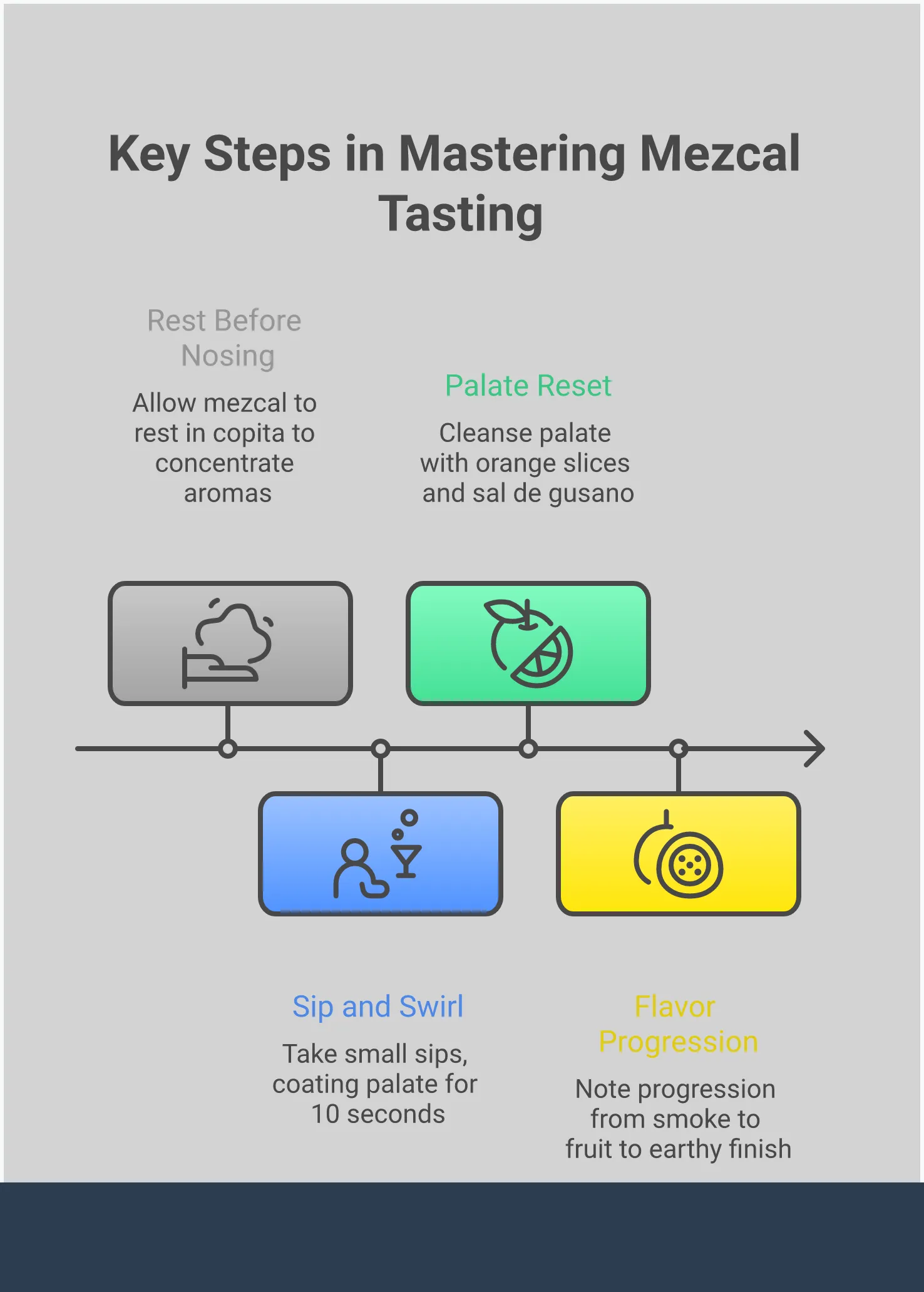
The best way to get to know a new mezcal is to sip it neat. In Oaxaca, mezcal is traditionally served at room temperature in small clay cups called copitas or small glass cups called vasos veladora. This isn't a spirit you shoot; it's one you savor slowly to appreciate the craftsmanship. Pour a small amount and take a moment to notice the aroma. When you take your first sip, let it rest on your tongue to acclimate your palate. You might find it served with orange slices and sal de gusano (a salt mixed with chili and ground agave worms), which can cleanse the palate between sips and bring out different notes in the mezcal.
Easy Mezcal Cocktails to Make at Home
Mezcal’s signature smokiness makes it a fantastic ingredient for cocktails, adding a layer of complexity that other spirits can’t match. You can easily give your favorite drinks a new twist by simply swapping mezcal for the base spirit. Try making a Mezcal Margarita, a Smoky Negroni, or a Mezcal Old Fashioned. If you’re new to mixing with it, start with cocktails that have strong citrus or sweet elements, as they balance the smoke beautifully. A simple mix with grapefruit soda and a lime wedge, known as a Paloma, is another great starting point. These simple cocktail recipes let the spirit’s unique character shine without being overpowering.
Perfect Food Pairings for Your Mezcal
Because mezcal has such a wide range of flavors—from earthy and vegetal to fruity and floral—it pairs wonderfully with a variety of foods. The spirit’s smoky profile is a natural match for grilled meats, barbecue, and roasted vegetables. The bright, citrusy notes found in many mezcals cut through the richness of fatty foods like carnitas or chorizo. For a lighter pairing, try it with ceviche or fresh oysters, as the acidity and minerality complement each other perfectly. Even dark chocolate can be a surprising and delicious partner, highlighting the sweeter, more roasted notes in an aged mezcal.
Common Mezcal Myths, Busted
Mezcal has an air of mystery, and with that comes a few tall tales. It’s time to clear the air (and the smoke) and separate fact from fiction. Let's look at some of the most common myths you might have heard about this incredible spirit.
The Truth About the "Worm"
Let’s get this one out of the way first. No, a quality bottle of mezcal does not have a worm in it. That little creature is actually the larva of a moth that can infest agave plants. The whole idea was a marketing gimmick that started in the 1950s to make a particular brand stand out on the shelf. It worked, but it also created a lasting misconception. True, traditional mezcal is all about the pure expression of the agave. You can sip with confidence knowing that any authentic, well-crafted mezcal you choose is celebrated for its flavor, not for what’s floating at the bottom of the bottle.
Does More Smoke Mean Better Quality?
Many people think of mezcal as tequila’s smoky cousin, and while that’s not wrong, it’s not the whole story. The idea that more smoke equals a better mezcal is a common misunderstanding. The smoky flavor comes from roasting the agave hearts in underground pits, but it should be a component, not the main event. A truly great mezcal has balance. The smoke should complement the natural flavors of the agave—whether they’re fruity, floral, or earthy. In fact, many master mezcaleros believe that an overpowering, ashy smoke flavor is a sign of a poorly made spirit. Think of smoke as a seasoning, not the entire dish. It’s there to enhance the spirit, not to hide it.
The Hallucination Myth
This myth often goes hand-in-hand with the one about the worm. Let’s be perfectly clear: mezcal will not make you hallucinate. It’s a distilled spirit, and its effects are from its alcohol content, just like vodka, whiskey, or any other spirit in your collection. The myth likely grew from the same marketing efforts that gave us the worm, creating a wild and exotic reputation for the spirit. While sipping a beautiful mezcal can feel like a magical experience, the only spirits you’ll be encountering are the ones in your glass. So, you can relax and enjoy the complex flavors without worrying about any unexpected side effects.
How to Choose Your First Bottle of Mezcal
Walking into the world of mezcal can feel a little intimidating with so many options, but finding your first bottle should be an exciting discovery, not a chore. The key is knowing what to look for. With a few simple tips, you can confidently pick a bottle that will give you a fantastic introduction to this incredible spirit. Think of it as starting a new conversation—you just need to learn a few key phrases to get going.
Reading a Mezcal Label Like a Pro
Think of a mezcal label as its biography. It tells you everything you need to know about what’s inside the bottle and the journey it took to get there. You’ll typically find the type of agave used (Espadín is the most common), the state where it was made (Oaxaca is the heartland), and the name of the maestro mezcalero, or master distiller. The label will also specify the category, like Mezcal, Mezcal Artisanal, or Mezcal Ancestral, which tells you about the production methods. Paying attention to these details helps you understand the craftsmanship and anticipate the spirit’s character before you even take a sip.
What to Look For in a Beginner-Friendly Bottle
When you’re just starting, it’s a great idea to look for a mezcal that is inviting rather than overpowering. Many find that mezcals made with 100% Espadín agave are a perfect entry point, as they tend to have a balanced profile of citrus, fruit, and gentle smoke. Some mezcals are intentionally less smoky because they use more modern production techniques, which can make for a smoother first experience. Don’t be afraid to start with a brand you recognize from the tequila world; many distillers produce both, and it can be a comfortable place to begin your exploration of Mezcal & Agave Spirits.
Finding Great Value at Any Price Point
A higher price tag doesn’t always equal a better mezcal, especially when you’re finding your footing. What you’re really looking for is balance. A well-crafted mezcal offers a complex tapestry of flavors—you might taste roasted agave, tropical fruit, black pepper, or earthy minerals, all woven together with a pleasant smokiness. The smoke should be a component, not the only thing you taste. Most mezcals range from 38% to 55% alcohol by volume (ABV), but a great bottle can be found at any strength. You can find many excellent and affordable gifts under $100 that deliver a truly memorable tasting experience.
Related Articles
Frequently Asked Questions
Is there really a worm in the bottle? That little worm, which is actually a moth larva, was a marketing stunt from the mid-20th century designed to make a specific brand stand out. It is not a sign of quality or tradition. In fact, you won't find it in any premium, well-crafted mezcal. The real focus of authentic mezcal is the pure, unadulterated flavor of the agave itself.
I don't like super smoky drinks. Is there a mezcal for me? Absolutely. While smokiness is a common characteristic, it's just one part of a much larger flavor profile. The intensity of the smoke can vary dramatically from one bottle to another. Look for mezcals made from different agave types, like the fruity Tobalá, or those that specifically mention a lighter smoke profile. A great mezcal should be balanced, allowing the earthy, fruity, or floral notes of the agave to shine through.
What's the best way to try mezcal for the first time? The best way to get acquainted with mezcal is to sip it neat at room temperature. Pour a small amount into a glass and give it a moment before you taste. This isn't a spirit for taking shots; it's meant to be savored. This approach allows you to experience the full range of aromas and flavors without any distractions. If you find it a bit intense at first, a simple Mezcal Paloma with grapefruit soda is a fantastic and refreshing introduction.
Can I just swap mezcal for tequila in my favorite margarita recipe? Yes, and you absolutely should try it. Swapping mezcal for tequila is an easy way to add a new layer of complexity to classic cocktails. A Mezcal Margarita will have a smoky depth that a standard margarita lacks. The same goes for a Paloma or even an Old Fashioned. It’s a simple substitution that can completely transform a familiar drink into something new and exciting.
Why can mezcal be more expensive than tequila? The price often reflects the incredible amount of time and labor that goes into producing it. Many mezcals are made from wild agave plants that can take over 15 years to mature. The production process itself is also very hands-on, relying on traditional, non-industrial methods like roasting in earthen pits and crushing agave with a stone wheel. This small-batch, artisanal approach results in a truly special spirit, and the price reflects that craftsmanship.